Classic Chimpanzee Pose
The chimpanzee in the header above was photographed in the Bioparc in Fuengirola, Southern Spain. This is a national centre for the preservation of endangered species where they are breeding these primates for return to their Tanzanian habitats.
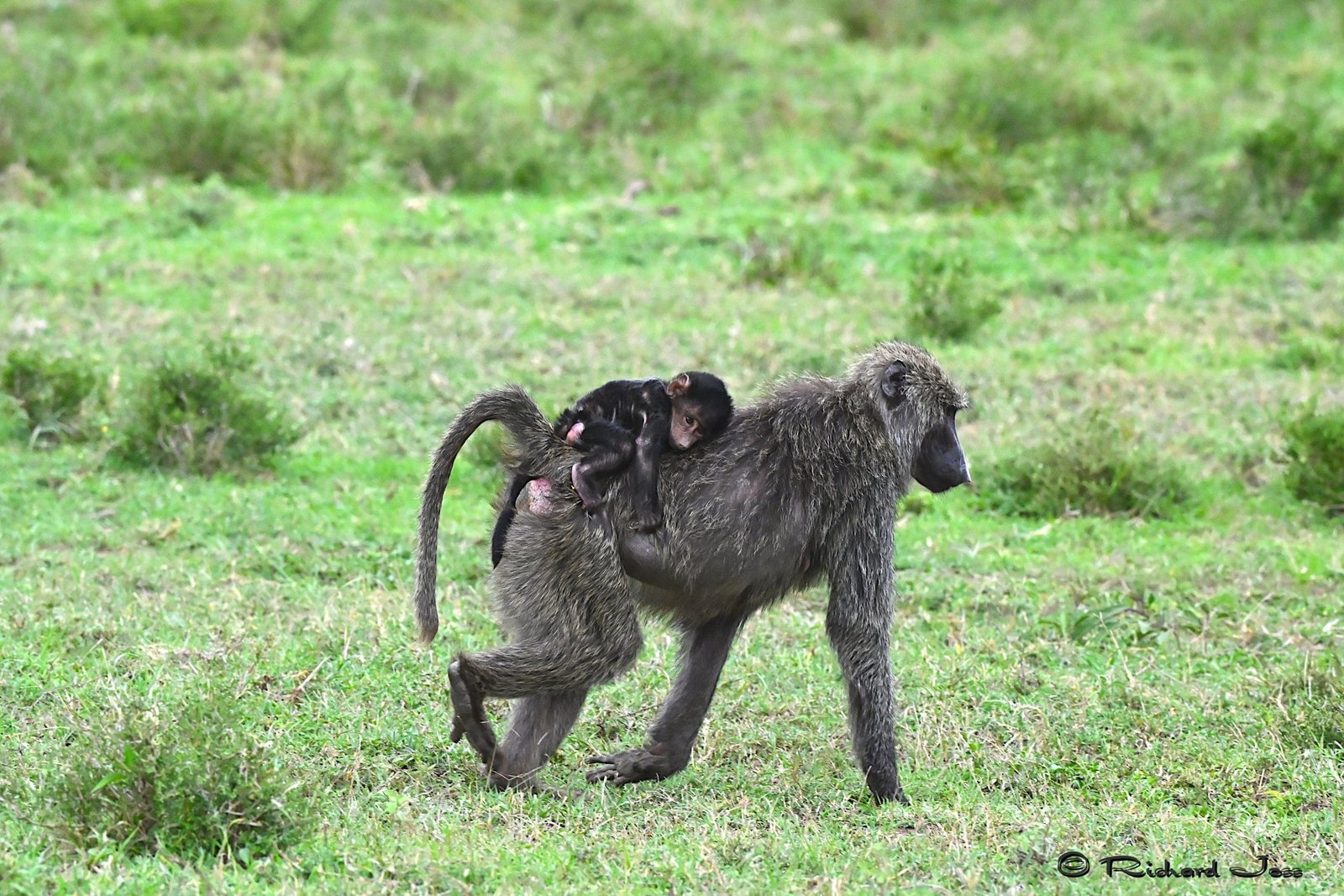
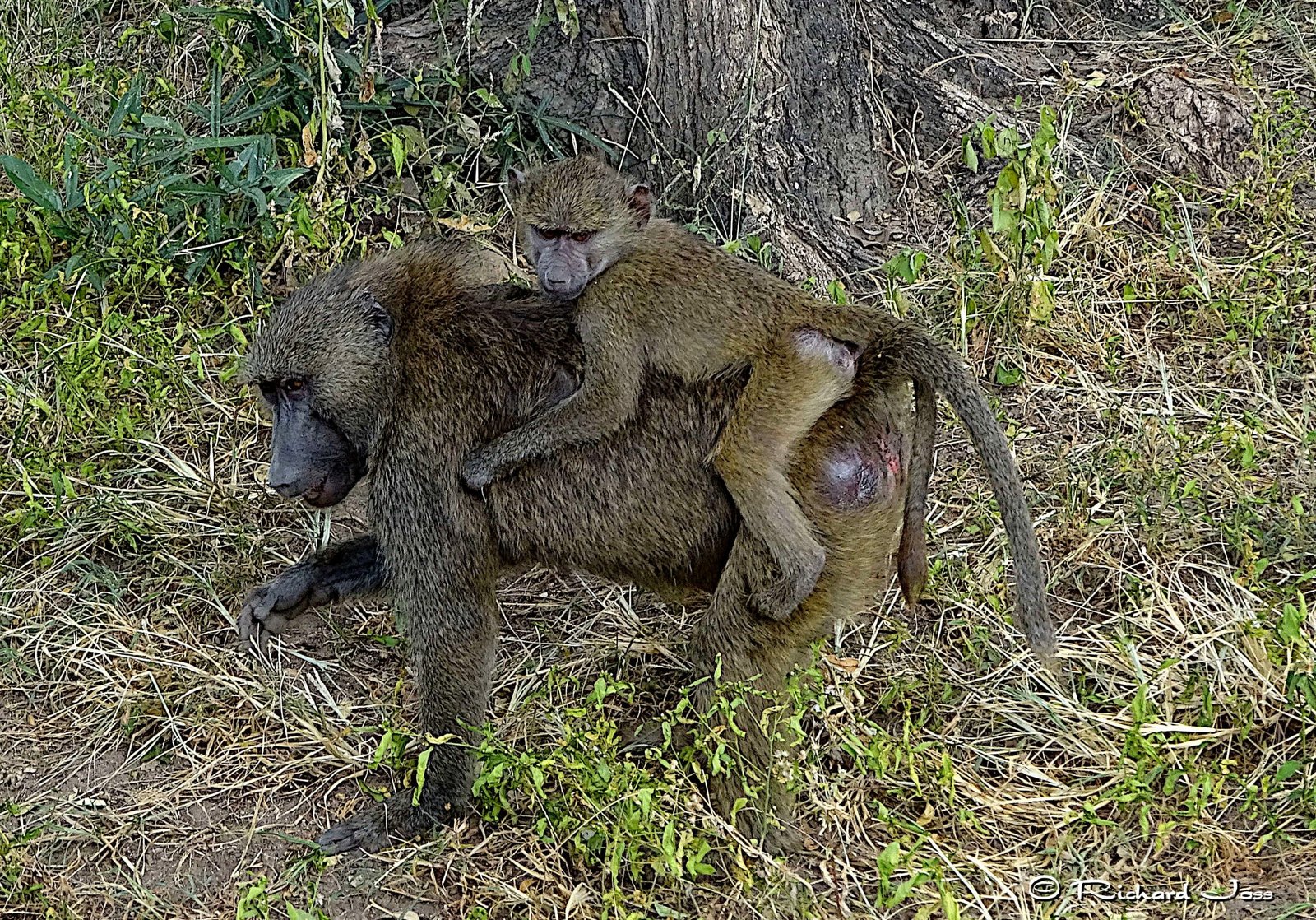
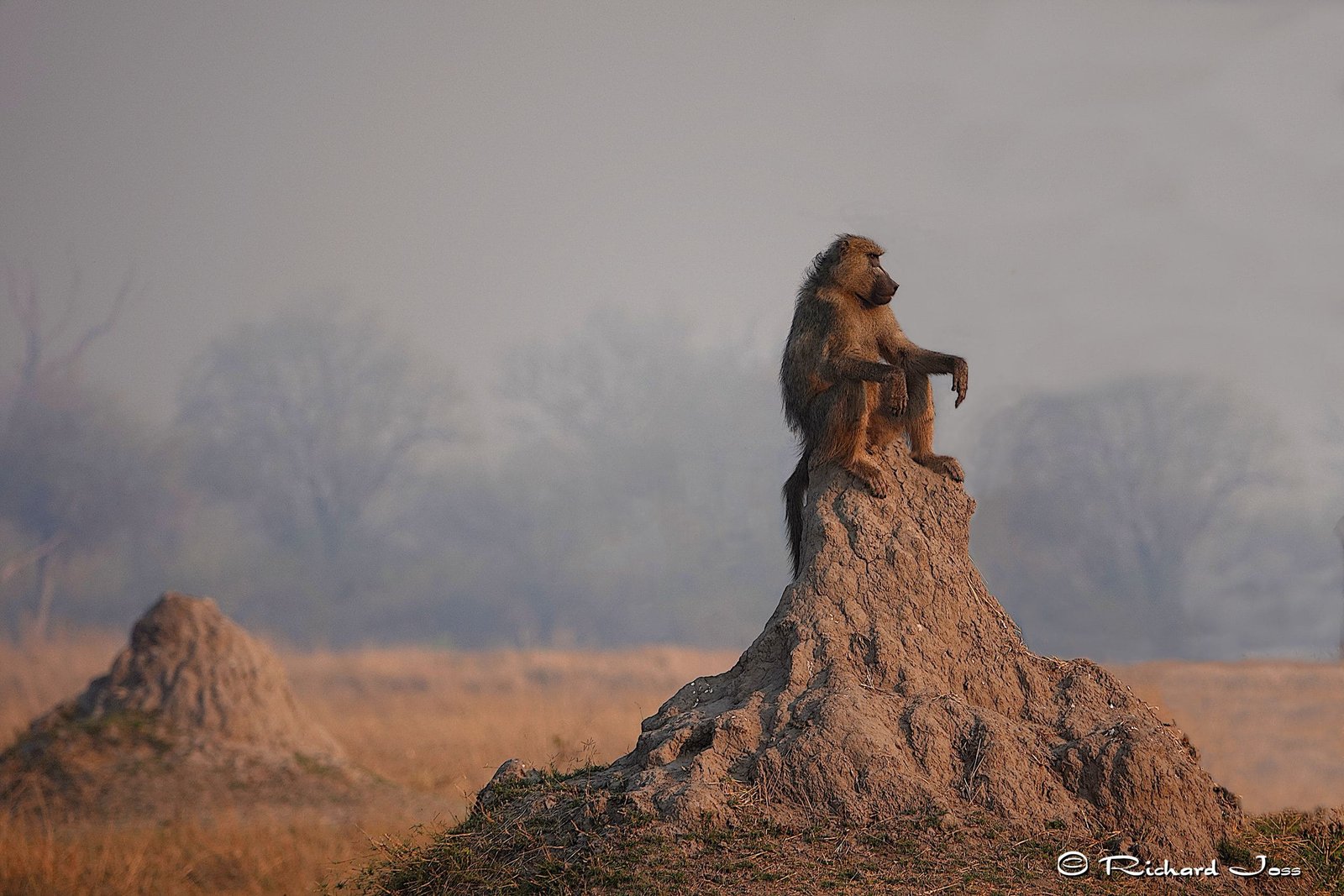
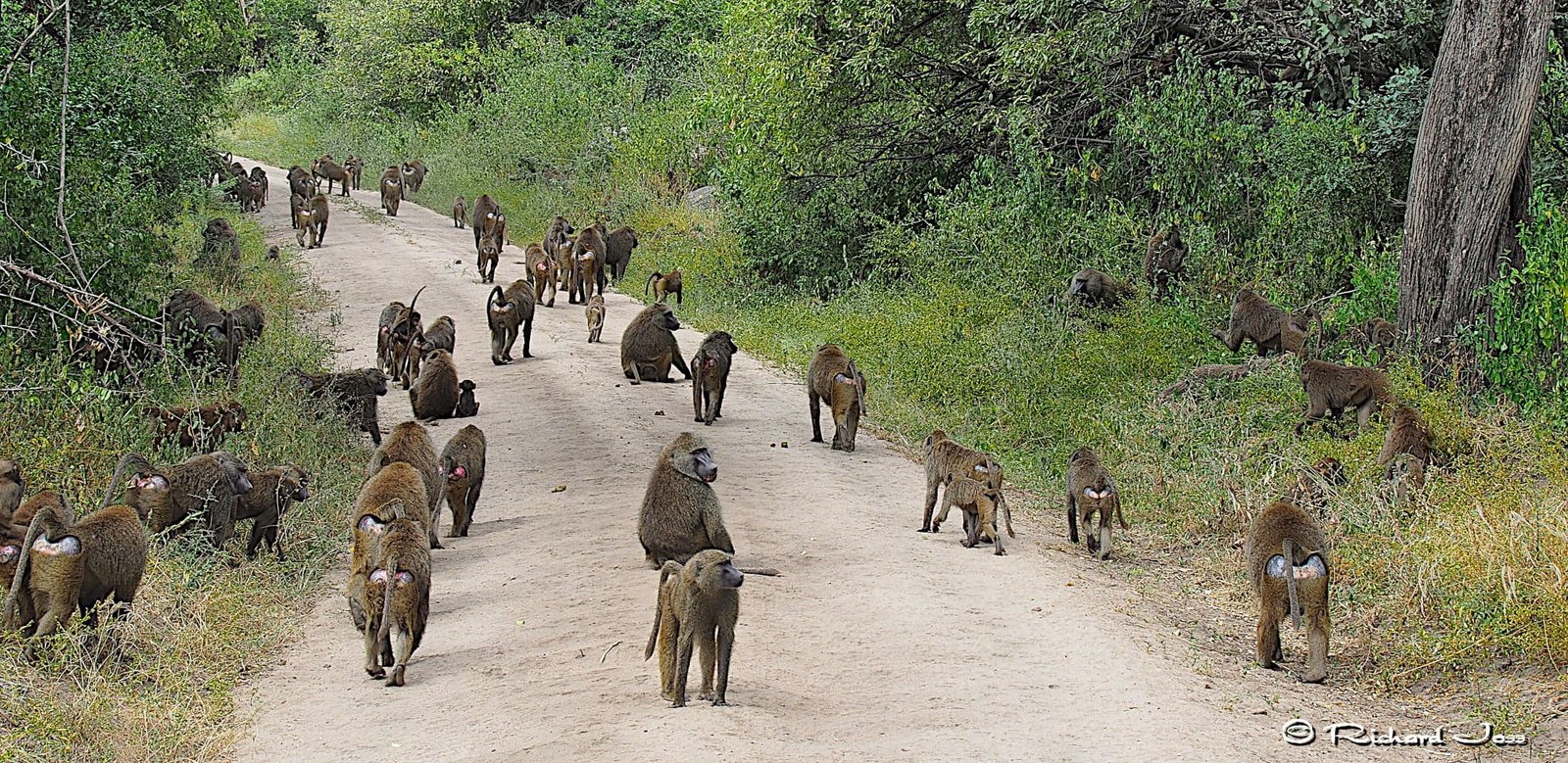
The photo gallery below, however, concentrates on African species from east and southern Africa. The predominant monkeys in the savannah and light forests of these areas, are Olive and Yellow Baboons, with the olive variety (Papio Anubis) being the more numerous. They forage in the grasslands but like to remain close to forest areas where they can sleep in the trees and to a certain extent avoid leopards for whom they are a favourite prey.
Baboons are highly social animals and live in troops or 15-150 individuals. Their social behaviour is complex and rigidly hierarchical. Each baboon has a social ranking somewhere in the group, depending on its dominance. Female dominance is hereditary, with daughters having nearly the same rank as their mothers, and adult females form the core of the social system. Female relatives also form their own subgroups in a troop.
Males establish their dominance more forcefully than females. A male will leave its own natal group and join another group, after reaching sexual maturity. Adult males are very competitive with each other and fight for access to females. Higher dominance means better access to mating and earlier access to food, so naturally a great deal of fighting over rank occurs, with younger males constantly trying to raise their position.
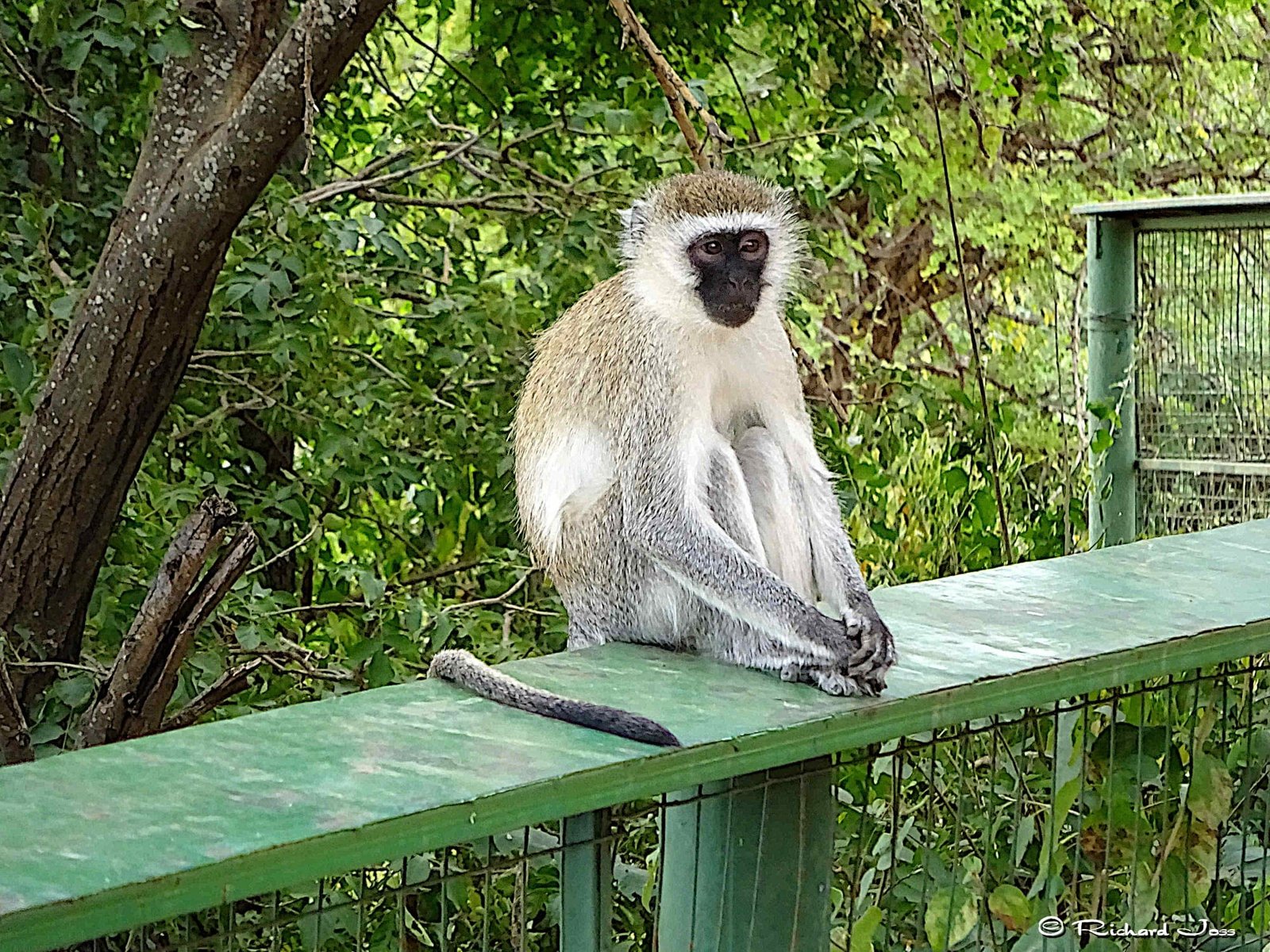
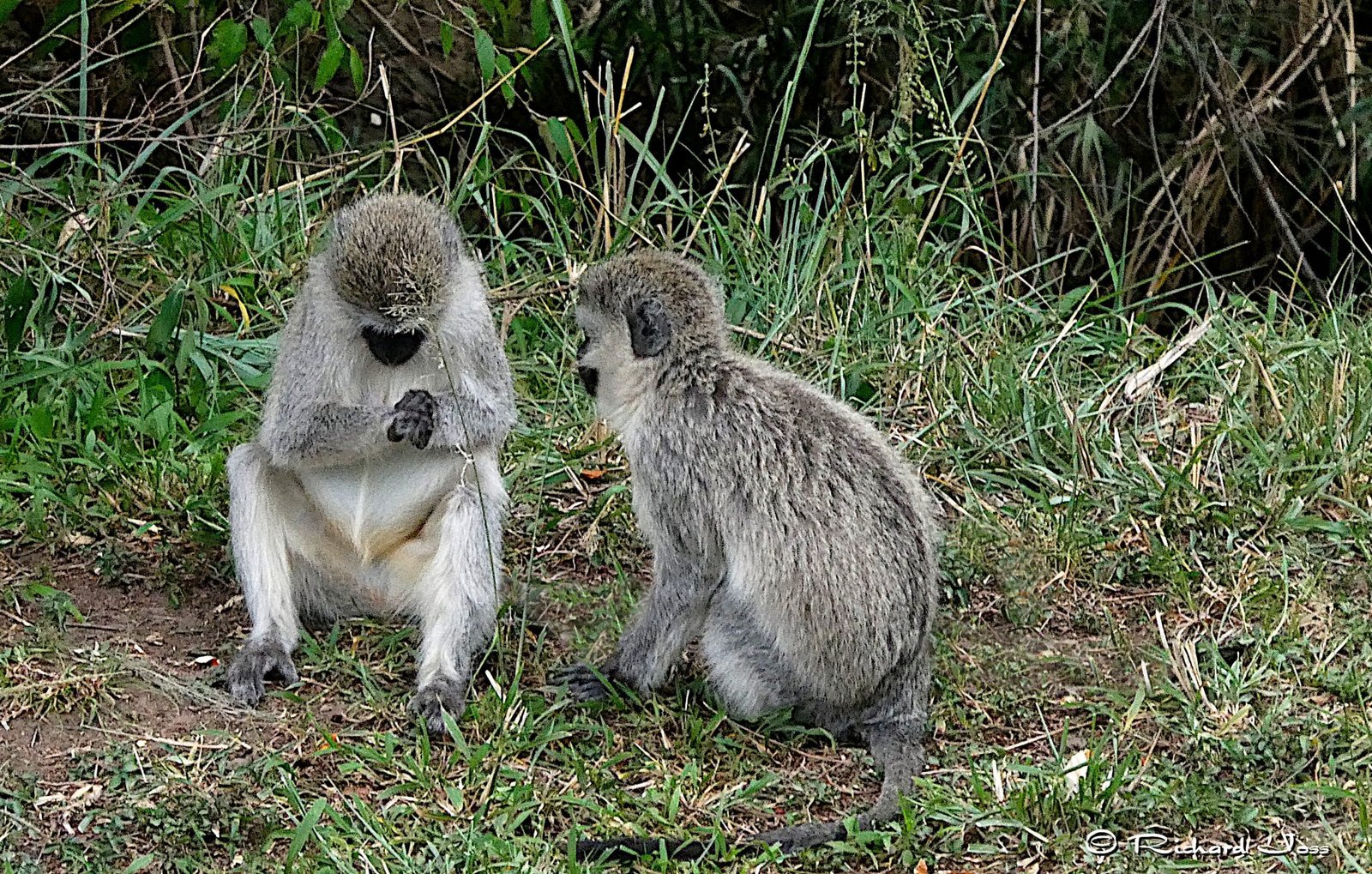
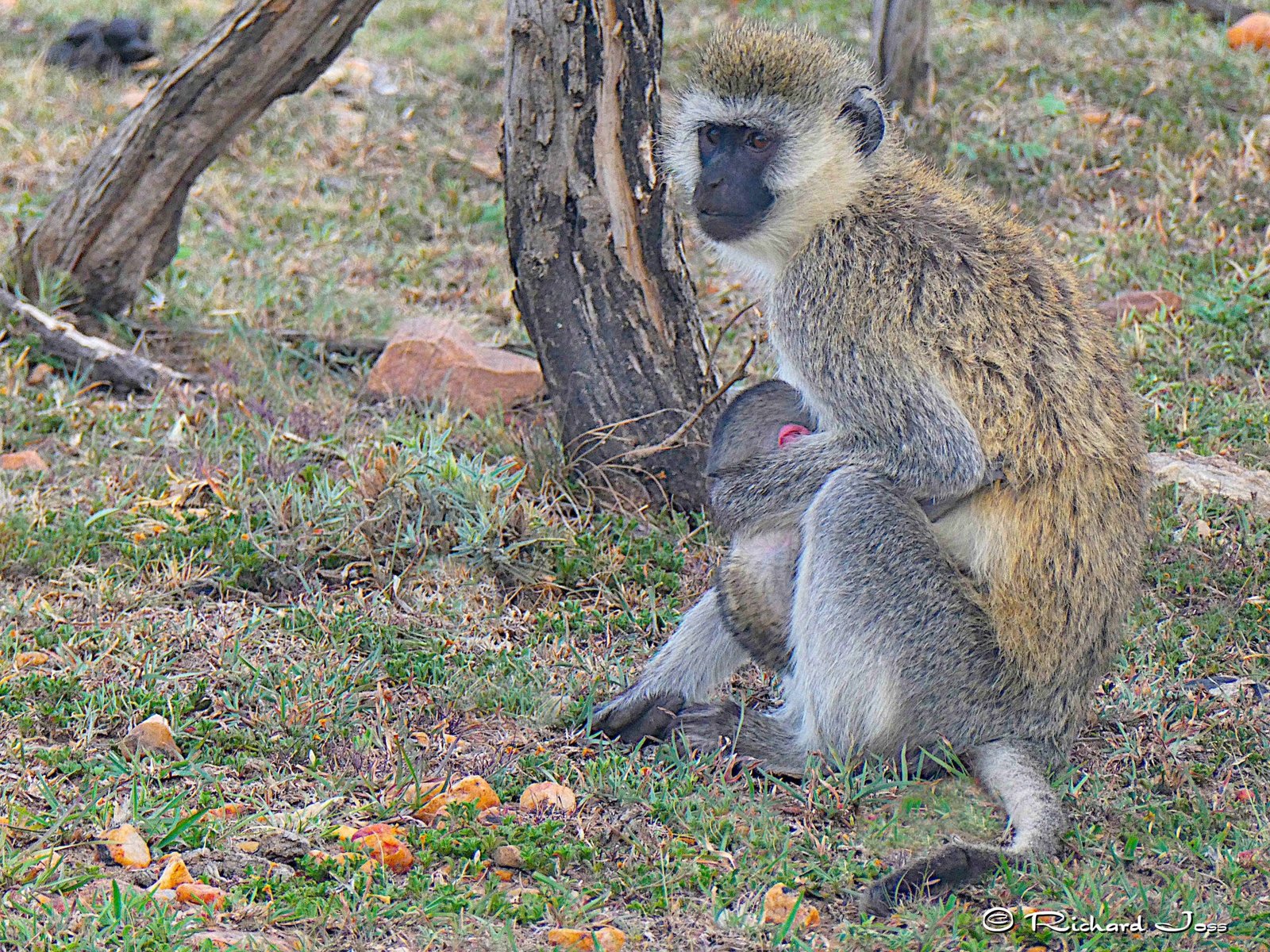
Another monkey we saw frequently on safari was the vervet. The vervet is a small, black-faced monkey, common in East Africa. There are several subspecies of vervet monkeys, but, generally, the body is a greenish-olive or silvery-grey. The face, ears, hands, feet, and the tip of the tail are black, but a conspicuous white band on the forehead blends in with the short whiskers. The arms and legs are approximately equal lengths, enabling it to walk with ease on all fours while on the ground, and this actually makes it quite speedy when running.
The Vervet is an arboreal monkey, spending most of its time in the trees where it is relatively safe. Although these monkeys do venture to the ground looking for food and water, they rarely go more than 450 meters away from the trees, which serve as protection from predators. These animals are diurnal and spend their days foraging, and then rest at night. They are very sociable animals, forming troops of between 10 and 50. The troops are made up of adult females with their young, while males wander between different troops both to socialize and mate.
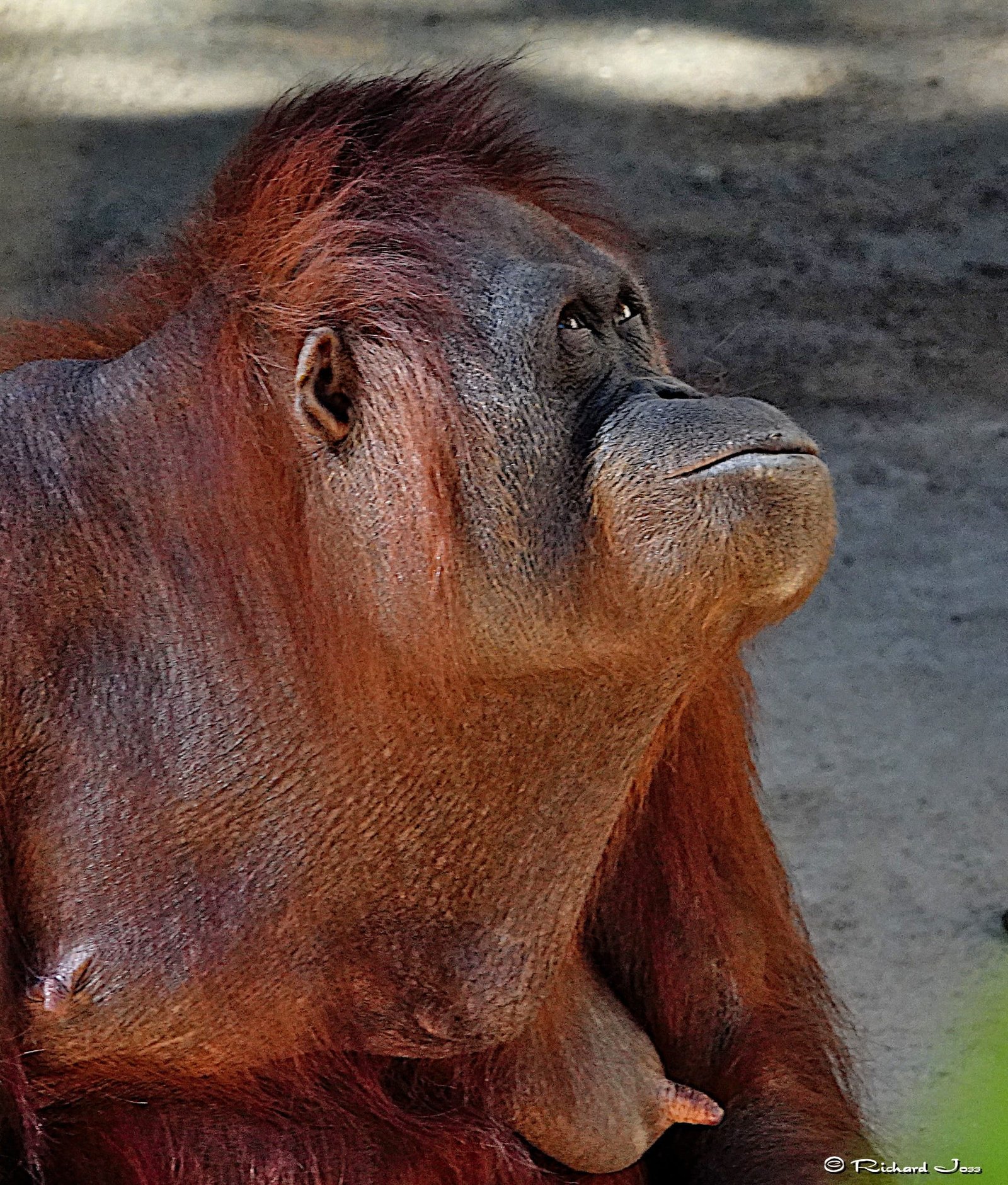
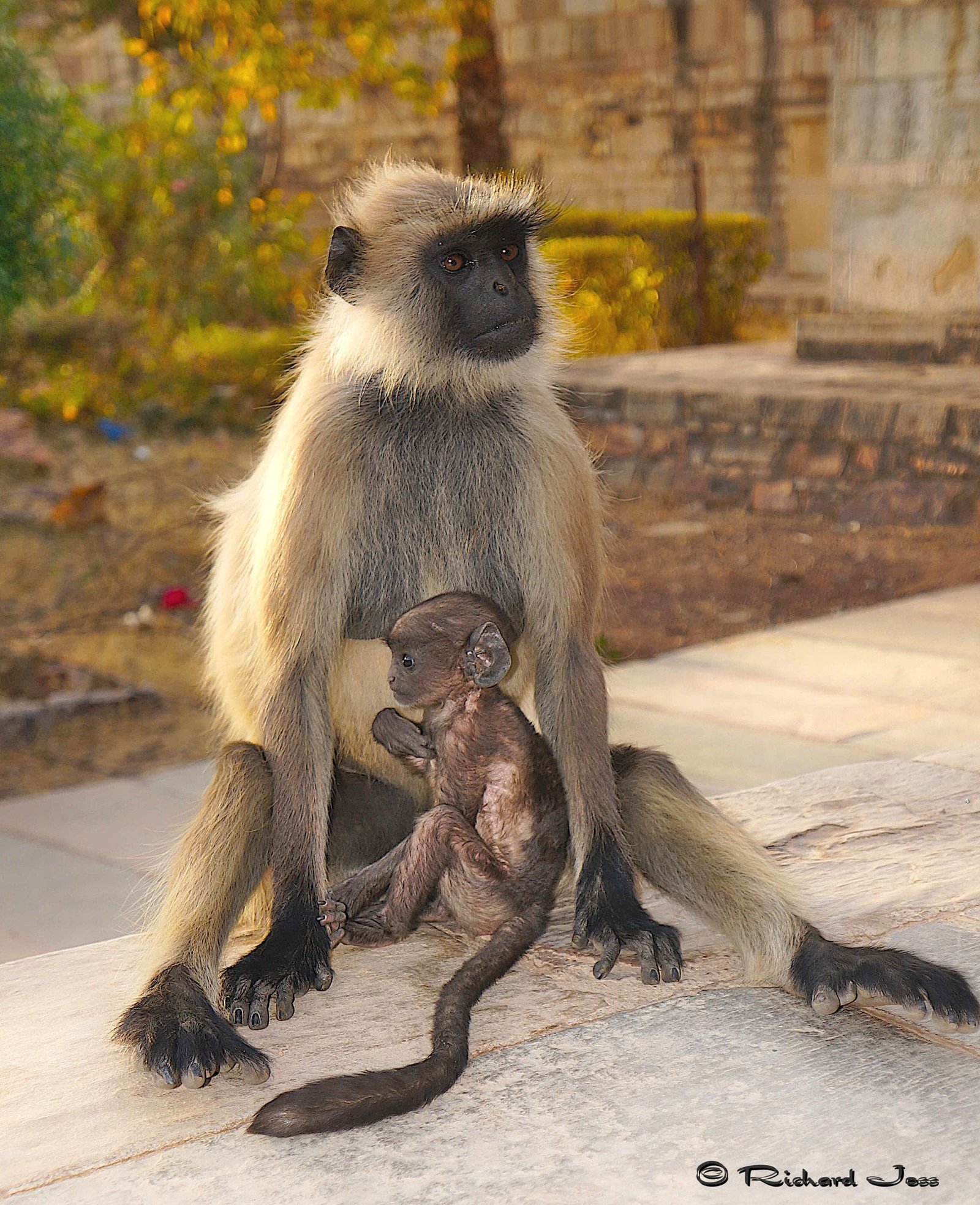
We have also included a photo taken in India of a Langur with a baby born literally just a few minutes before the picture was taken, and photos of two endangered species (Chimpanzees and Orangutans) being bred in captivity at the Bioparc, Fuengirola, Spain for return to reserves in their respective countries.
(Or go to Wildlife in main menu for more species.)